


What are the dangers of third harmonic resistive current for surge arresters?
The third harmonic resistive current presents several dangers for surge arresters, primarily impacting their lifespan and overall health. Here's a breakdown of the key risks:
1. Increased Thermal Stress: The third harmonic component creates heat within the surge arrester due to its resistance. This additional heating adds to the overall thermal load, which can accelerate degradation of the internal components, especially the zinc oxide (ZnO) varistors. Over time, this can lead to premature failure of the arrester.
2. Reduced Dissipation Capability: As the internal temperature rises, the surge arrester's ability to dissipate surge energy decreases. This means it becomes less effective in protecting equipment from high voltage transients, increasing the risk of damage to other components in the system.
3. False Aging Indicators: Monitoring total leakage current, which includes both capacitive and resistive components, may not accurately reflect the arrester's health. This is because the large capacitive component can mask the increase in the resistive component, which is a more sensitive indicator of aging and degradation.
4. "Thermal Runaway" and Catastrophic Failure: If the thermal stress becomes excessive, a dangerous condition called "thermal runaway" can occur. This is a positive feedback loop where increased heat further increases resistance, leading to even more heat generation. It can ultimately lead to catastrophic failure of the arrester, potentially causing significant damage to surrounding equipment and even safety hazards.
It's important to note that these dangers become more pronounced as the third harmonic current level increases. Regular monitoring and proper management of harmonic distortion in the power system are crucial to mitigate these risks and ensure the longevity and effectiveness of surge arresters.
Here are some additional points to consider:
- While the third harmonic is particularly concerning,other harmonic components can also contribute to thermal stress.
- Standards and regulations often specify acceptable limits for harmonic distortion in power systems.
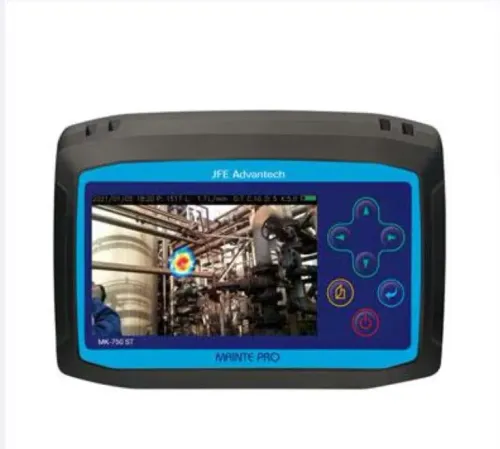
- Advanced monitoring techniques can help to identify and address harmonic issues before they cause significant problems. Myriad Industrial Solutions LLP located at Dahisar Mumbai. is supplier of special purpose electrical test and measuring instruments such as Third Harmonic Resistive Leakage current analyzer , 3rd harmonic leakage current tester required for periodic monitoring of third harmonic resistive leakage current of high voltage surge arresters. Contact us giving details of your requirement for a techno-commercial proposal.